Namco
Notable Games
Company History
Namco Ltd. was founded on June 1, 1955, in Tokyo, Japan, by Masaya Nakamura as Nakamura Manufacturing Co., originally manufacturing and installing coin-operated amusement rides on department store rooftops. The company evolved into one of gaming's most influential arcade developers before merging with Bandai in 2006.
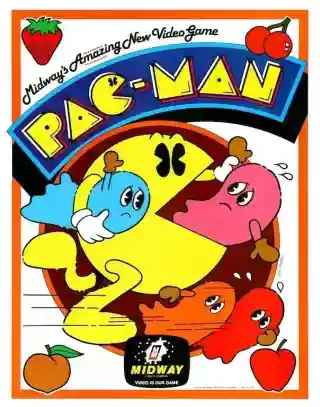
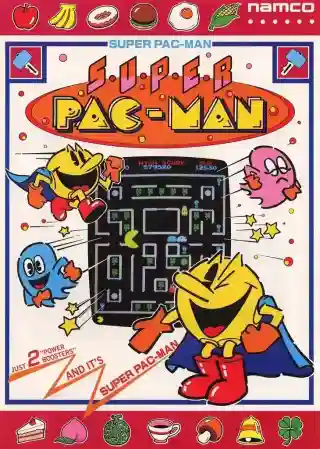
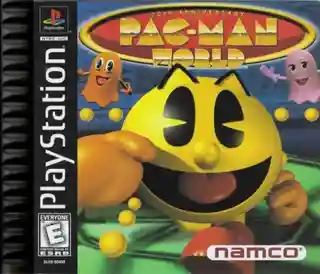
Namco entered video gaming in 1974 by acquiring Atari Japan and distributing Atari's products. Original development began with Gee Bee (1978), followed by Galaxian (1979), which competed directly with Space Invaders. Pac-Man (1980) became one of gaming's defining moments — the character became the first video game mascot with mass cultural recognition.
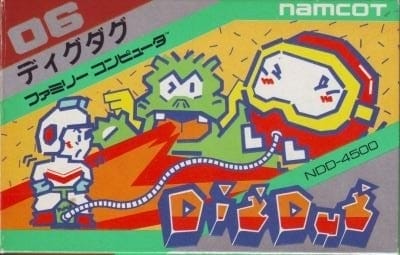
The company's arcade legacy includes numerous landmark titles: Dig Dug (1982), Pole Position (1982, pioneering racing games), Xevious (1982), Galaga (1981), and the Ridge Racer series. Each title demonstrated technical innovation and design refinement that established arcade standards.
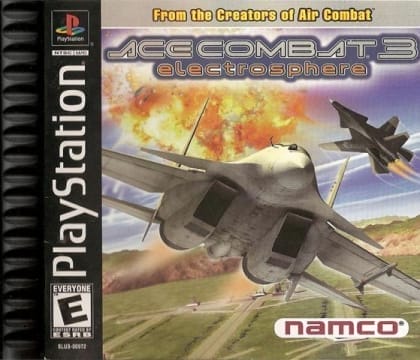
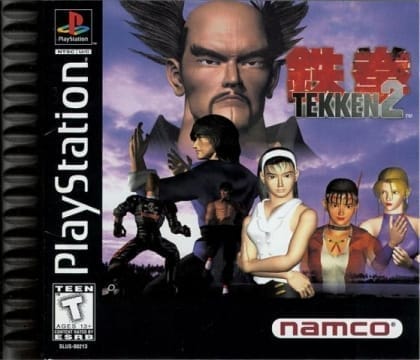
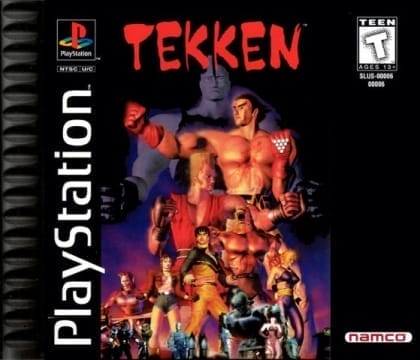
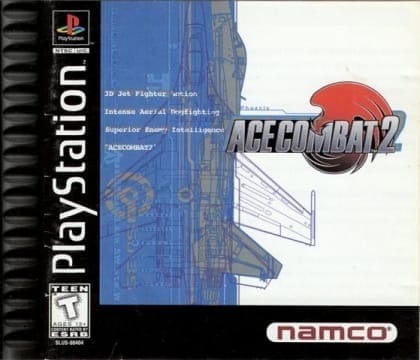
Home console development produced equally significant franchises: Tales series (beginning 1995), Tekken fighting games (1994), Ace Combat (1995), and Soulcalibur (1998). These franchises continued across console generations.
The 2006 merger with Bandai created Bandai Namco Holdings, combining Namco's game development expertise with Bandai's toy and media properties. Masaya Nakamura, the "Father of Pac-Man," remained influential until his death in 2017.
Behind the Scenes
Masaya Nakamura's journey from amusement ride operator to gaming pioneer illustrated the industry's evolution. The rooftop rides business taught principles that transferred to video games: attracting attention, providing brief entertainment, encouraging repeat engagement.
Pac-Man's development under Toru Iwatani targeted audiences beyond young men who dominated arcade demographics. The non-violent concept, cute character design, and maze-chase mechanics appealed to broader audiences. This design thinking produced one of gaming's most commercially successful and culturally significant titles.
Namco's arcade philosophy emphasized polish and refinement. Each game needed to earn its cabinet space through compelling gameplay that generated repeat plays. This pressure produced games with satisfying core loops and reasonable learning curves followed by substantial depth.
Technical innovation was central to Namco's approach. Pole Position pioneered pseudo-3D racing perspectives. Ridge Racer pushed PlayStation launch capabilities. Each generation saw Namco demonstrate early hardware mastery.
The Tales series demonstrated JRPG capability outside Square Enix dominance. The "Linear Motion Battle System" offered real-time combat distinguishing the series from turn-based competitors. Character-focused storytelling and anime aesthetics built devoted audiences.
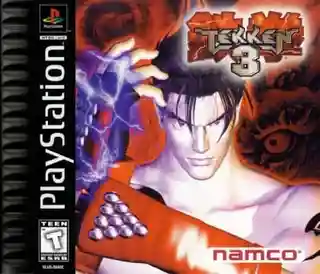
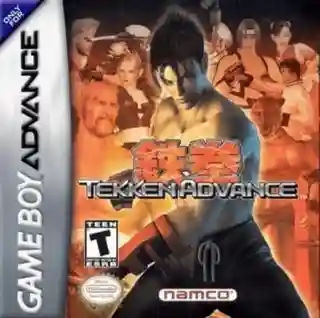
Tekken established Namco in fighting games during the genre's 3D transition. While competitors struggled with three-dimensional combat, Tekken delivered accessible fighting with substantial competitive depth. The series' success demonstrated Namco's ability to enter and dominate new genres.
The Bandai merger reflected industry consolidation trends. Combining development capability with media properties enabled cross-promotion and franchise expansion across entertainment forms.
About Namco
Namco is a merged game development company founded on June 1, 1955 and headquartered in .
Known for creating iconic titles such as Pac-Man, Tekken, Ridge Racer and more, Namco has left an indelible mark on the video game industry.