
HAL Laboratory
Notable Games
Company History
HAL Laboratory, Inc. was founded on February 21, 1980, in Tokyo, Japan. The company name references HAL 9000 from 2001: A Space Odyssey and also represents the letters preceding IBM (H-I, A-B, L-M). HAL became closely associated with Nintendo, developing some of the company's most beloved franchises including Kirby and Super Smash Bros.
Early HAL developed games for various platforms including MSX computers and Commodore 64. The Nintendo relationship began with NES development, producing titles like Adventures of Lolo, a puzzle game series that established HAL's design sensibilities: accessible entry with increasing complexity.
Kirby's Dream Land (1992) for Game Boy created HAL's signature character. Masahiro Sakurai designed Kirby as an intentionally simple character accessible to beginners. The pink puffball's copy ability — absorbing enemy powers — became the franchise's defining mechanic. Subsequent Kirby games explored varied genres while maintaining accessibility.
Super Smash Bros. (1999), also directed by Sakurai, assembled Nintendo characters into a fighting game framework. The series became one of Nintendo's most valuable properties, with sequels on every subsequent Nintendo platform.
Financial difficulties in the 1990s required Nintendo bailout, after which Satoru Iwata (then HAL president, later Nintendo president) restructured the company. HAL remains closely tied to Nintendo as a second-party developer, continuing Kirby and other Nintendo-associated projects.
Behind the Scenes
HAL Laboratory's development philosophy emphasizes accessibility without sacrificing depth. Kirby games exemplify this: simple controls, forgiving difficulty, yet satisfying mastery for skilled players. This approach reflected deliberate design decisions rather than compromised ambition.
Masahiro Sakurai's direction shaped HAL's most successful franchises. His approach to character design prioritized personality expression through gameplay. Kirby's copy abilities weren't just power-ups; they transformed the character, creating variety within consistent framework.
Super Smash Bros.' development demonstrated creative synthesis. Taking Nintendo's diverse characters and creating coherent fighting game mechanics required balancing authenticity (characters should feel true to their origins) with competitive viability. The games' party game accessibility masked substantial depth that enabled competitive communities.
Satoru Iwata's HAL tenure influenced both HAL and later Nintendo. His programmer background fostered engineering-focused culture. When HAL faced bankruptcy, Iwata's restructuring saved the company. His subsequent Nintendo presidency carried lessons learned at HAL.
The company's relationship with Nintendo enabled consistent quality. HAL could focus on development excellence rather than business diversification. Nintendo collaboration provided resources and support impossible for independent studios.
HAL's Kirby games explored varied formats: traditional platformers, racing games, puzzle games, canvasline drawing mechanics. Each iteration found new ways to utilize Kirby's flexibility while maintaining the character's appeal to younger and casual audiences.
Recent HAL development continues Nintendo-associated projects while occasionally exploring independent creations. BoxBoy! demonstrated puzzle game design distinct from established franchises. The studio maintains its identity while serving Nintendo's broader needs.
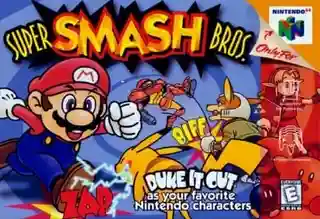
Super Smash Bros.
• 1999
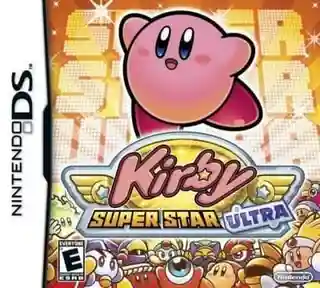
Kirby Super Star Ultra
• 2008
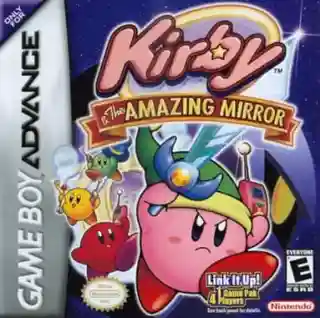
Kirby & the Amazing Mirror
• 2004
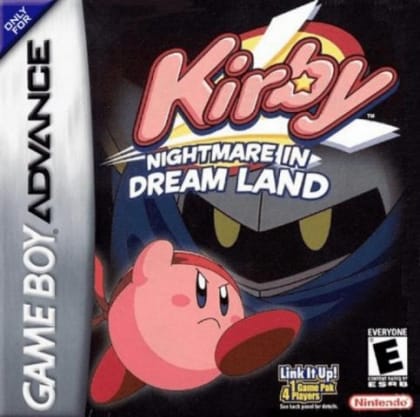
Kirby: Nightmare in Dream Land
• 2002

Kirby 64: The Crystal Shards
• 2000
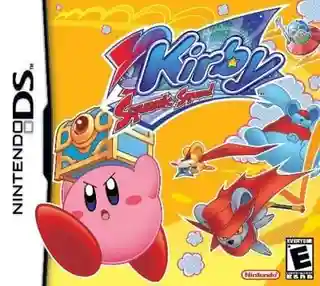
Kirby: Squeak Squad
• 2006

Kirby Super Star
• 1996

Kirby's Adventure
• 1993
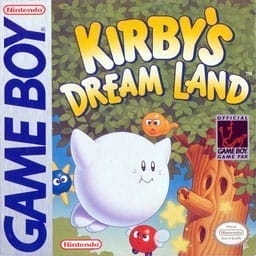
Kirby's Dream Land
• 1992
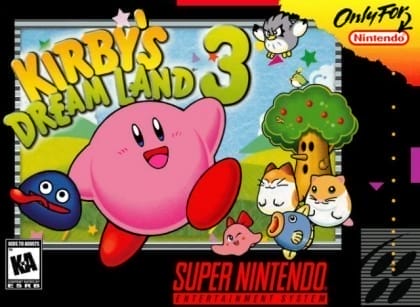
Kirby's Dream Land 3
• 1997
Mother 3
• 2006
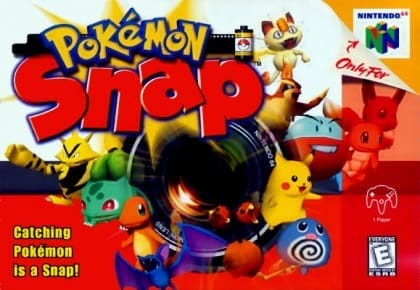
Pokémon Snap
• 1999
About HAL Laboratory
HAL Laboratory is an active game development company founded on February 21, 1980 and headquartered in .
Known for creating iconic titles such as Kirby's Dream Land, Kirby Super Star, Super Smash Bros. and more, HAL Laboratory has left an indelible mark on the video game industry.