
Activision
First third-party game publisher
Notable Games
Company History
Activision was founded on October 1, 1979, by former Atari programmers David Crane, Larry Kaplan, Alan Miller, and Bob Whitehead. The company holds the distinction of being the first independent third-party video game developer for home consoles, fundamentally changing the industry's structure.
The founders left Atari because the company refused to credit game designers or share profits. At Activision, developers received recognition and royalties — revolutionary concepts at the time. Early Activision packaging featured developer names and photographs, treating them as creative talent deserving public acknowledgment.
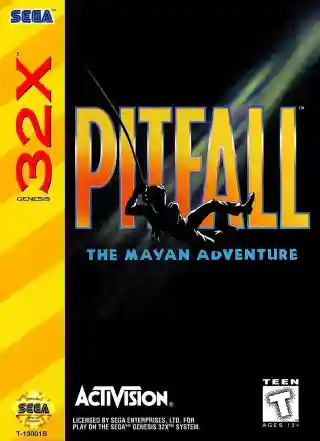
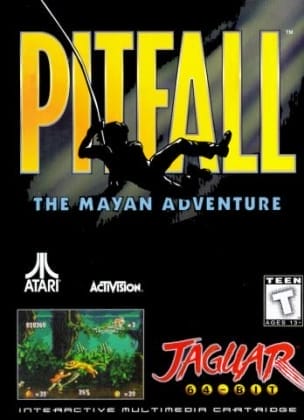
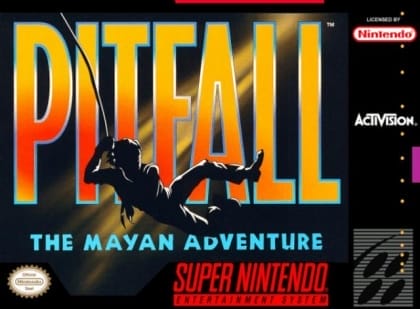
Activision's Atari 2600 games achieved commercial and critical success: Pitfall! (1982) became one of the era's best-selling games, selling over 4 million copies. River Raid, Kaboom!, and Freeway demonstrated consistent quality. These successes proved third-party development was viable, enabling the company model that now dominates gaming.
The video game crash of 1983 nearly destroyed Activision. The company diversified into business software and other ventures during the recovery period. Revitalization came through acquisitions including Infocom (text adventures) and Raven Software.
Modern Activision transformed through Call of Duty (beginning 2003), which became one of gaming's most commercially successful franchises. Guitar Hero (2005, through RedOctane acquisition) created the rhythm game boom. The 2008 merger with Vivendi Games (parent of Blizzard) created Activision Blizzard. Microsoft acquired Activision Blizzard in 2023 for $68.7 billion.
Behind the Scenes
Activision's founding represented a fundamental challenge to industry structure. Before Activision, game developers were anonymous employees of hardware manufacturers. The founders' insistence on credit and royalties established principles that, while contested, eventually became industry norms.
The company's early development approach emphasized quality and innovation. David Crane's Pitfall! created the side-scrolling platformer template. Games were designed to be impressive within brutal hardware constraints — the Atari 2600 provided 128 bytes of RAM and minimal processing power.
The post-crash survival required business diversification that distanced Activision from gaming. When the company returned to prominence, it did so through acquisition rather than founding-era invention. Modern Activision accumulated studios (Infinity Ward, Treyarch, Sledgehammer Games, Raven Software) rather than building organically.
Call of Duty's success defined Activision's contemporary approach. Annual releases across multiple studios (rotating among Infinity Ward, Treyarch, and Sledgehammer) maintained franchise momentum. The model prioritized reliable revenue over creative risk.
The Activision Blizzard merger created one of gaming's largest companies, combining Blizzard's acclaimed franchises with Activision's commercial infrastructure. The Microsoft acquisition ended this entity's independence, integrating both companies into Xbox Game Studios. The original Activision — the scrappy startup challenging industry conventions — bears little resemblance to the corporate entity bearing its name decades later.
About Activision
Activision is an active game development company founded on October 1, 1979 and headquartered in .
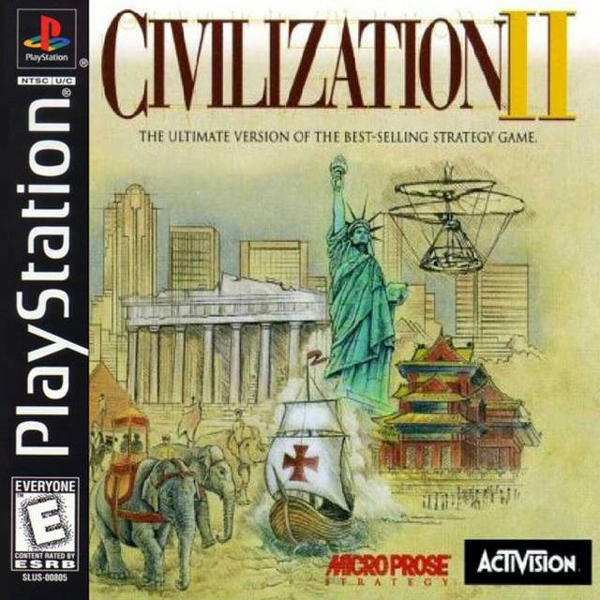
Known for creating iconic titles such as Call of Duty, Pitfall!, Tony Hawk's Pro Skater and more, Activision has left an indelible mark on the video game industry.