Tecmo
Notable Games
Company History
Tecmo Co., Ltd. was founded as Tehkan Ltd. in 1967 in Tokyo, Japan. The company began as an industrial company before entering arcade gaming in the early 1980s. The Tecmo name was adopted in 1986, and the studio developed several influential franchises before merging with Koei in 2009.
Arcade origins included shooter Bomb Jack (1984) and the Tehkan World Cup soccer game (1985). Ninja Gaiden (1988, arcade) established action game expertise that would define Tecmo's identity. The NES adaptation of Ninja Gaiden became legendary for both its difficulty and its cinematic cutscenes, which were pioneering for the era.
Tecmo Bowl (1987) created an American football gaming template. The NES adaptation simplified enough to be accessible while capturing football's strategic essence. Tecmo Super Bowl remains beloved for its balanced gameplay.
Dead or Alive (1996) launched a fighting game franchise known for its counter system and, controversially, its emphasis on female character design. Team Ninja, led by Tomonobu Itagaki, developed DOA and later revived Ninja Gaiden for Xbox (2004), delivering brutally difficult action gameplay.
Monster Rancher (1997) offered creature-raising gameplay with a unique hook: monsters could be generated from music CDs inserted into the PlayStation. This novel mechanic created surprise and encouraged disc library exploration.
The 2009 merger with Koei formed Koei Tecmo. Tecmo's franchises and Team Ninja studio continued under the combined company.
Behind the Scenes
Tecmo's development approach balanced accessibility with challenge. Tecmo Bowl simplified American football into digestible gameplay while maintaining strategic depth. The game's balance made it ideal for competitive play despite simplified rules.
Ninja Gaiden's NES trilogy established design principles that Team Ninja would later revive. The games were notoriously difficult, demanding precise player control and pattern memorization. Enemies respawned upon screen scroll, creating frustrating repetition that paradoxically increased dedication among skilled players. The cinematic cutscenes, unusual for NES games, created narrative motivation for the challenge.
Team Ninja's Xbox Ninja Gaiden revival embraced the series' punishing legacy. Director Tomonobu Itagaki designed combat systems requiring split-second reactions and extensive practice. The game didn't apologize for difficulty; it celebrated player mastery.
Dead or Alive's development combined technical polish with controversial design choices. The fighting mechanics prioritized accessibility — the counter system created dramatic reversals even for less skilled players. Character design, particularly female characters, emphasized sexuality in ways that attracted both fans and criticism.
The Monster Rancher series demonstrated creative thinking about console capabilities. Using inserted CDs to generate monsters was mechanically simple but experientially novel. Players discovered which of their CDs produced useful monsters, creating community knowledge sharing.
Itagaki's departure from Tecmo in 2008, followed by a lawsuit over unpaid bonuses, illustrated creative tensions within the studio. His absence marked a transition period before the Koei merger established Tecmo's current identity within the larger corporate structure.
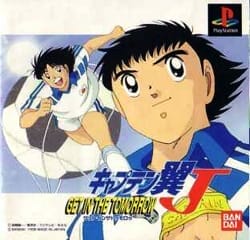
Captain Tsubasa J: Get in the Tomorrow
• 1995
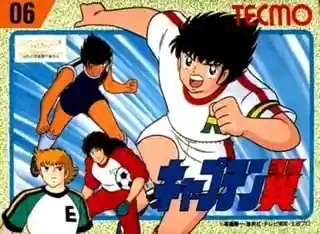
Captain Tsubasa
• 1988
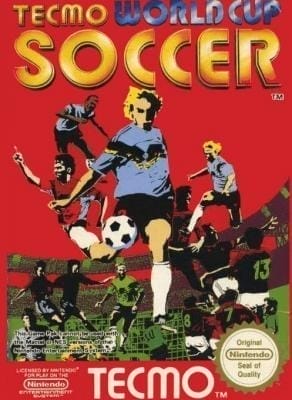
Tecmo World Cup Soccer
• 1990
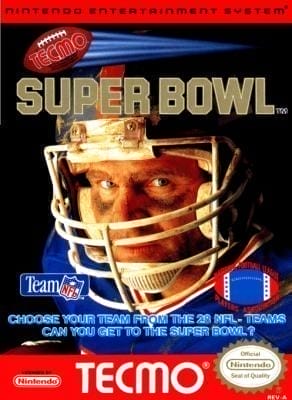
Tecmo Super Bowl
• 1991

Captain Tsubasa Vol. II: Super Striker
• 1990
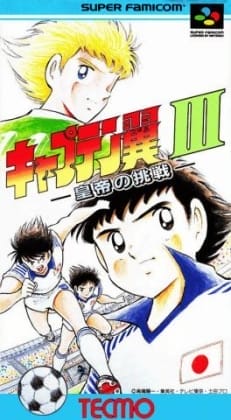
Captain Tsubasa III: Challenge of the Emperor
• 1992
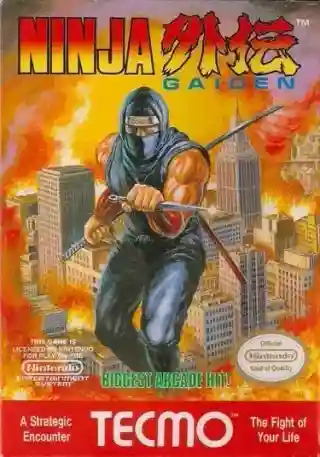
Ninja Gaiden
• 1988
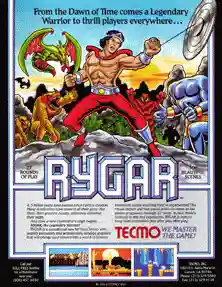
Rygar
• 1986

Back Street Soccer
• 1997
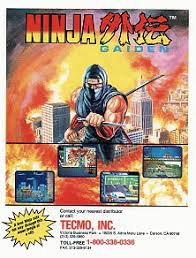
Ninja Gaiden
• 1988

Tecmo Super NBA Basketball
• 1993
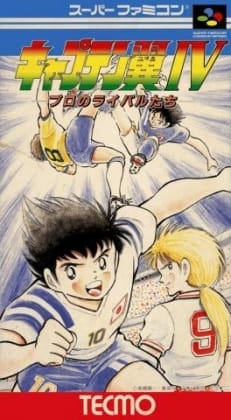
Captain Tsubasa IV: Pro's Rivals
• 1995
About Tecmo
Tecmo is a merged game development company founded on January 1, 1967 and headquartered in .
Known for creating iconic titles such as Ninja Gaiden, Dead or Alive, Fatal Frame and more, Tecmo has left an indelible mark on the video game industry.