
Sunsoft
Underrated NES gems
Notable Games
Company History
Sunsoft is the video game development and publishing brand of Sun Corporation (formerly Sun Electronics Corporation), a Japanese company founded in 1978 in Kobe, Japan. Sun Electronics initially operated as an electronics manufacturer before entering the video game industry in the early 1980s. The company began developing arcade games, with titles like Kangaroo (1982), a platformer manufactured and distributed by Atari in North America. As the home console market grew, Sunsoft became a prominent third-party developer for the Nintendo Entertainment System, producing a series of technically impressive and critically acclaimed titles that established the brand's reputation for quality.
Sunsoft's NES library is widely regarded as one of the finest of any third-party publisher on the platform. The company's programmers were renowned for pushing NES hardware to its limits, achieving visual and audio quality rivaling first-party Nintendo titles. a hybrid action-platformer combining side-scrolling vehicular sections piloting the SOPHIA III tank through a labyrinthine underground world with top-down on-foot exploration inside caves and enemy bases. The game's seamless integration of two gameplay styles, expansive interconnected world design, exceptional soundtrack, and precise controls made it an instant classic.
Sunsoft produced exceptional Batman (1989) and Batman: Return of the Joker (1991) games for the NES. Batman is frequently cited as one of the best licensed games ever made, defying the era's notorious reputation for terrible movie tie-ins with tight wall-jumping platforming, challenging but fair level design, and extraordinary audiovisual presentation. Batman: Return of the Joker pushed NES hardware even further with large, detailed sprites, parallax scrolling effects, and one of the most impressive soundtracks on the platform. Journey to Silius (1990), originally planned as a Terminator game before the license fell through, featured outstanding run-and-gun gameplay and one of the most celebrated NES soundtracks in history, composed by Naoki Kodaka.
Other highlights include Gimmick! (1992), an extraordinarily technical Famicom platformer, and Ufouria: The Saga (Hebereke, 1991), a charming Metroidvania-style adventure. On the Genesis, Sunsoft produced Aero the Acro-Bat (1993) and its sequel. The company experienced financial difficulties in the late 1990s and 2000s, significantly reducing output, though it has made a revival with digital releases and the Blaster Master Zero series developed in partnership with Inti Creates.
In recent years, Sunsoft has shown renewed activity with new projects and re-releases.
Behind the Scenes
Sunsoft's development legacy is defined above all by extraordinary mastery of NES hardware that allowed programmers and sound designers to coax performance that competitors simply could not match. This technical wizardry was audibly and visibly apparent to anyone who played a Sunsoft NES game. The cornerstone of Sunsoft's technical identity was their sound engine, producing audio so rich and complex that it sounded fundamentally different from virtually every other NES game. The NES APU provided five sound channels: two pulse wave generators, one triangle wave, one noise channel, and one DPCM channel.
Most developers used these straightforwardly. Sunsoft's sound team, led by composer Naoki Kodaka, developed custom sound driver software exploiting hardware in unconventional ways. while most developers used it sparingly, Sunsoft's engine used rapid-fire DPCM sample playback to create basslines and percussion with fullness and punch that sounded almost like 16-bit audio. Journey to Silius's soundtrack is frequently cited as the single greatest achievement in NES audio.
Kodaka's compositions featured driving rock rhythms, soaring melodic leads, and bass lines with genuine low-end weight. Batman's soundtrack achieved similarly remarkable atmospheric results. The visual side was equally impressive. large, smoothly animated boss sprites, multi-layered parallax scrolling backgrounds created through carefully timed mid-scanline register manipulation (raster effects or scanline tricks).
These required intimate PPU understanding and precise cycle-counted programming during horizontal blanking intervals. Blaster Master's design innovation lay in seamless integration of macro and micro gameplay scales. The interconnected world design predated the modern Metroidvania template, with an underground labyrinth divided into eight areas, and vehicle upgrades unlocking new regions. The transition between vehicle and on-foot gameplay created natural pacing variation.
Gimmick! pushed the Famicom to extraordinary limits with its advanced physics-based star projectile mechanic and some of the most technically impressive visuals and audio ever achieved on the platform, utilizing the custom Sunsoft 5B sound chip for enhanced audio. demonstrated that movie tie-in games could be genuine artistic achievements. The Blaster Master Zero series (2017 onward), while developed primarily by Inti Creates, was produced under Sunsoft's guidance and successfully revived the franchise for modern audiences, proving the enduring value of Sunsoft's classic properties.
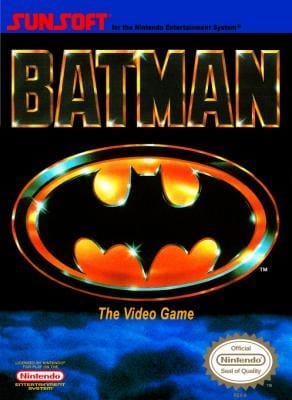
Batman: The Video Game
• 1989
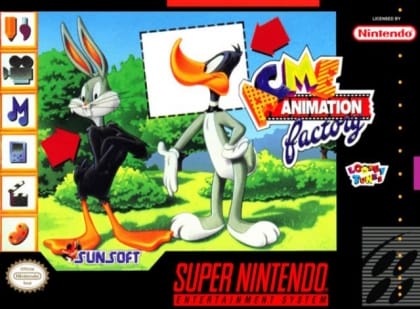
ACME Animation Factory
• 1994
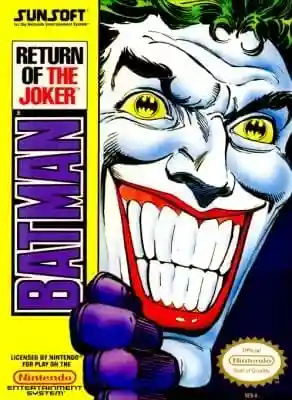
Batman: Return of the Joker
• 1991
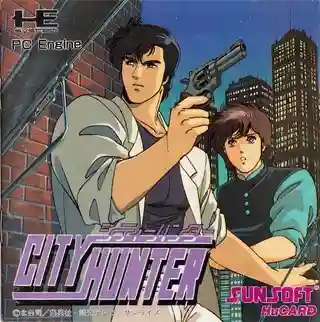
City Hunter
• 1989
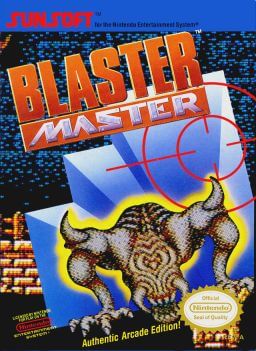
Blaster Master
• 1988
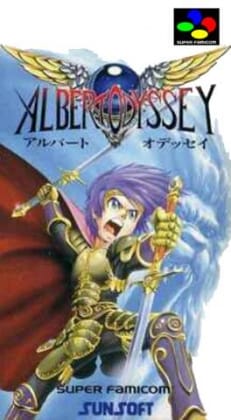
Albert Odyssey
• 1993
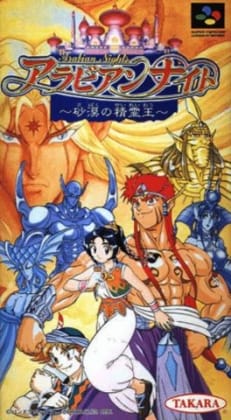
Arabian Nights: Sabaku no Seirei Ou
• 1993
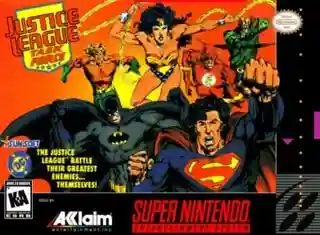
Justice League Task Force
• 1995
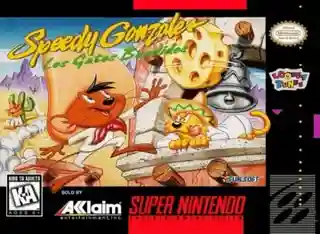
Speedy Gonzales in Los Gatos Bandidos
• 1995
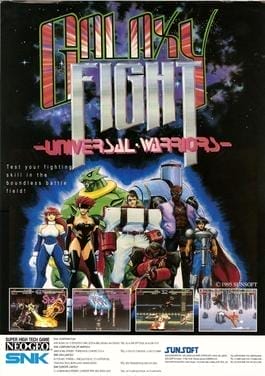
Galaxy Fight - Universal Warriors
• 1995
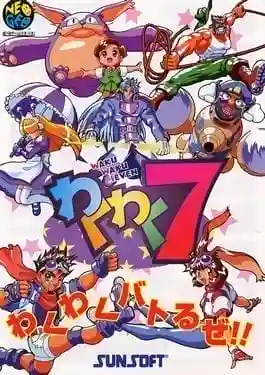
Waku Waku 7
• 1996
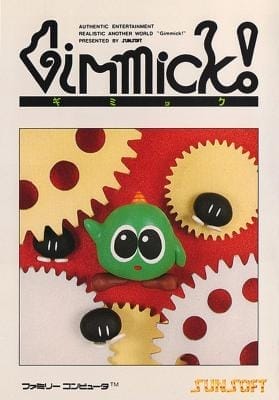
Mr. Gimmick!
• 1993
About Sunsoft
Sunsoft is an active game development company founded on January 1, 1978 and headquartered in .
Known for creating iconic titles such as Blaster Master, Batman (NES), Journey to Silius and more, Sunsoft has left an indelible mark on the video game industry.