
Factor 5
Turrican creators
Notable Games
Company History
Factor 5, LLC was founded in 1987 in Cologne, Germany, by Julian Eggebrecht, Achim Moller, Thomas Engel, Holger Schmidt, and Lorenz Hilty. The studio earned a legendary reputation for extracting seemingly impossible performance from video game hardware, particularly Nintendo platforms.
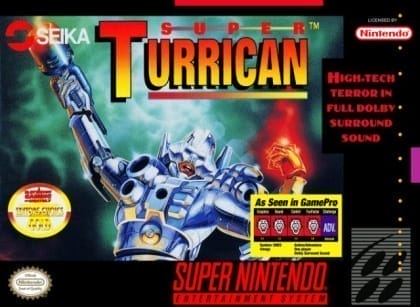
Factor 5 began developing games for the Commodore 64 and Amiga, creating titles like Turrican (1990) — a run-and-gun platformer widely regarded as one of the finest action games on home computers. When publisher Rainbow Arts faced difficulties, Factor 5 transitioned to console development.
The studio's relationship with LucasArts produced their most celebrated work. Star Wars: Rogue Squadron (1998) for Nintendo 64 pushed the hardware to unprecedented limits, rendering detailed starfighter combat with impressive scale. Critics and players marveled at visuals that seemed impossible on N64 hardware.
Rogue Squadron II: Rogue Leader (2001) launched with GameCube and again demonstrated Factor 5's technical mastery. The Death Star trench run rivaled anything seen on more powerful platforms. Rogue Squadron III: Rebel Strike (2003) continued the series with ground combat additions.
After Nintendo's platforms, Factor 5 pursued PlayStation 3 development with Lair (2008), a dragon combat game. Despite stunning visuals, the game's motion-controlled gameplay received severely negative reviews. The commercial failure, combined with publisher complications, led to Factor 5's closure in 2009. Julian Eggebrecht later founded TouchFactor and continues advocating for game preservation.
Behind the Scenes
Factor 5's technical philosophy centered on understanding hardware at the deepest levels and exploiting every capability. The team studied console architectures obsessively, finding performance gains that convention said didn't exist.
The Rogue Squadron games exemplified this approach. N64's limited RAM and polygon budget should have prevented detailed starfighter combat. Factor 5 developed streaming technologies, aggressive level-of-detail systems, and custom rendering techniques to achieve their vision. The team wrote documentation for N64 hardware that even Nintendo engineers consulted.
Rogue Leader's GameCube launch demonstrated similar exploits. The team built custom tools that exposed every GameCube feature. The resulting visuals — bump-mapped capital ships, complex particle effects, detailed planetary surfaces — established benchmarks that persisted throughout the generation. All within a launch window title, developed before documentation was complete.
Julian Eggebrecht's engineering leadership drove this technical culture. He understood hardware architectures and insisted on understanding every capability before designing games around limitations. This approach required longer development cycles but produced results competitors couldn't match.
Lair's failure illustrated the risks of this approach. Factor 5 committed to PlayStation 3's unique architecture, building their engine around the Cell processor's SPUs. This technological bet could have produced another technical showcase. Instead, the motion control mandate (Sony was pushing Sixaxis functionality) created gameplay issues that overshadowed visual achievement.
The studio's closure dispersed exceptional technical talent. Factor 5's work influenced developers who observed their techniques. Their Rogue Squadron games remain benchmarks for licensed game quality — proof that movie tie-ins could exceed rather than exploit fan expectations.
About Factor 5
Factor 5 is a defunct game development company founded on January 1, 1987 and headquartered in .
Known for creating iconic titles such as Star Wars: Rogue Squadron, Star Wars: Rogue Squadron II, Star Wars: Rogue Squadron III and more, Factor 5 has left an indelible mark on the video game industry.