
Electronic Arts
Sports game giant
Notable Games
Company History
Electronic Arts Inc. (EA) was founded on May 27, 1982, in San Mateo, California, by Trip Hawkins, a former Apple Computer executive. EA's founding philosophy treated video games as art and developers as artists — the company name itself positioned games alongside electronic music and digital art.
Early EA marketed developers prominently, featuring their names and photographs on packaging. This artist-focused approach attracted talent including Will Wright (SimCity, The Sims) and contrasted with publishers who granted developers no public recognition.
EA grew through internal development and strategic acquisitions. Sports games became a cornerstone: Madden NFL (beginning 1988), FIFA (1993, now EA Sports FC), NHL (1991), and NBA Live established annual franchises generating billions. The exclusive NFL license acquired in 2004 eliminated competition in American football games.
Major acquisitions expanded EA's reach: Origin Systems (Ultima, Wing Commander, 1992), Westwood Studios (Command & Conquer, 1998), Maxis (SimCity, The Sims, 1997), DICE (Battlefield, 2006), BioWare (Mass Effect, Dragon Age, 2007), and Respawn Entertainment (Titanfall, Apex Legends, 2017). These acquisitions brought prestigious franchises while sometimes dissolving acquired studio cultures.
EA has faced criticism for business practices including microtransactions, annual roster updates sold as full-price games, and studio closures following acquisition. The company has responded to various criticisms over time while remaining financially successful.
Behind the Scenes
Trip Hawkins' founding vision positioned games as legitimate artistic medium. Early EA packaging resembled album covers, featuring developer credits and photographs. This approach earned developer loyalty and industry respect, though it contrasted with later corporate practices.
Will Wright's relationship with EA demonstrated both creative support and eventual frustration. EA published SimCity and funded the original The Sims through lengthy development. The Sims became one of the best-selling PC games ever, validating EA's investment in Wright's unorthodox vision. However, Wright eventually departed after Spore didn't meet commercial expectations.
The sports game dominance reflects EA's approach to market capture. Exclusive licenses (NFL, FIFA until 2024) eliminated direct competition. Established franchises received annual updates with incremental improvements. Ultimate Team microtransaction modes (introduced 2009) generated substantial recurring revenue. Critics argued this approach prioritized monetization over innovation.
Studio handling drew criticism. Origin Systems, Westwood Studios, Pandemic Studios, and Visceral Games were acquired with talented teams and valuable franchises, then eventually closed. Former employees often described cultural changes following acquisition — corporate pressure replacing creative autonomy. Defenders noted that some studios struggled financially before acquisition.
EA's recent evolution includes service games (Apex Legends became a major success), remakes (Dead Space), and live service integration across titles. The company continues adapting to industry changes while maintaining its position as one of the largest publishers globally.
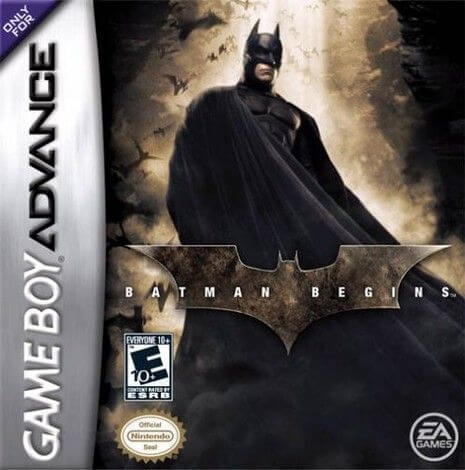
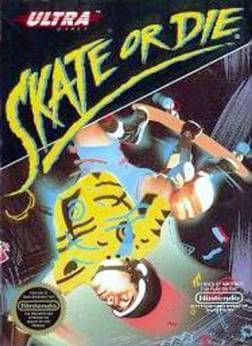
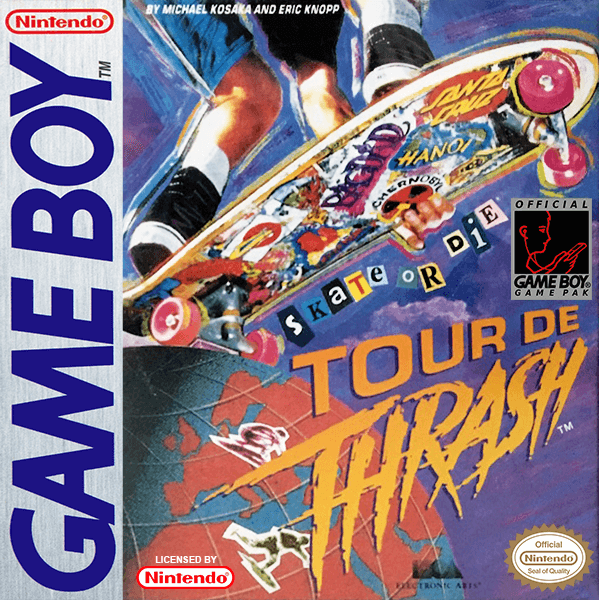
About Electronic Arts
Electronic Arts is an active game development company founded on May 27, 1982 and headquartered in .
Known for creating iconic titles such as FIFA/EA Sports FC, Madden NFL, The Sims and more, Electronic Arts has left an indelible mark on the video game industry.