
Atlus
Notable Games
Company History
Atlus Co., Ltd. was founded on April 7, 1986, in Tokyo, Japan. The company established its identity through challenging RPGs with distinctive styles, most notably the Megami Tensei and Persona franchises. Atlus's games often explored unconventional themes including mythology, occultism, and psychological exploration rarely seen in mainstream gaming.
The Megami Tensei series began with Digital Devil Monogatari: Megami Tensei (1987) on Famicom, adapted from a novel. The franchise evolved through numerous iterations including Shin Megami Tensei, which established the modern formula: demon negotiation and fusion, moral alignment systems, and post-apocalyptic or dark urban settings.
Persona, a Shin Megami Tensei spinoff beginning with Revelations: Persona (1996), developed its own identity. Persona 3 (2006) introduced the social simulation elements that defined the modern series. Persona 4 and Persona 5 achieved mainstream success while maintaining the series' distinctive style: daily life simulation combined with dungeon-crawling RPG combat.
Beyond Megami Tensei, Atlus published and developed varied titles: Ogre Battle series, Trauma Center, Etrian Odyssey, and localization of numerous Japanese games for Western markets. The company's publishing arm brought many niche Japanese titles to international audiences.
Sega acquired Atlus's parent company Index Corporation in 2013, making Atlus a Sega subsidiary. The acquisition ensured Atlus's financial stability while maintaining creative independence.
Behind the Scenes
Atlus's design philosophy embraced darkness that mainstream games avoided. Shin Megami Tensei games presented moral ambiguity — law versus chaos alignments each had compelling arguments. Demons weren't simply enemies; they could be recruited, fused, and negotiated with. This complexity attracted audiences seeking mature themes.
The demon fusion system demonstrated mechanical creativity. Players collected demons through negotiation, then combined them to create new creatures. This synthesis created progression systems beyond simple leveling. Optimal fusions required planning and experimentation.
Persona's evolution showed how spinoffs could surpass originals. The social simulation elements — forming relationships with classmates and confidants — created emotional investment that pure dungeon crawling couldn't achieve. Characters became memorable through time spent interacting with them daily, not just in battles.
Persona's presentation demonstrated style as substance. Art direction, UI design, and music worked together creating distinct aesthetic identities for each entry. Persona 5's bold visual presentation differentiated it from competitors regardless of mechanical comparisons.
Atlus localization brought Japanese games to Western audiences when publishers considered such efforts financially risky. This commitment to niche titles built loyal audiences who trusted Atlus curation.
The company's difficulty reputation attracted specific audiences. Shin Megami Tensei games punished careless play; bosses required strategic preparation. This challenge, combined with unconventional settings, created distinct identity compared to more accessible RPG competitors.
Sega's ownership provided stability without eliminating independence. Atlus continued developing distinctive titles while benefiting from Sega's resources and distribution capabilities.

Persona 2: Innocent Sin
• 1999

Persona: Revelations
• 1996

Persona 2: Eternal Punishment
• 2000
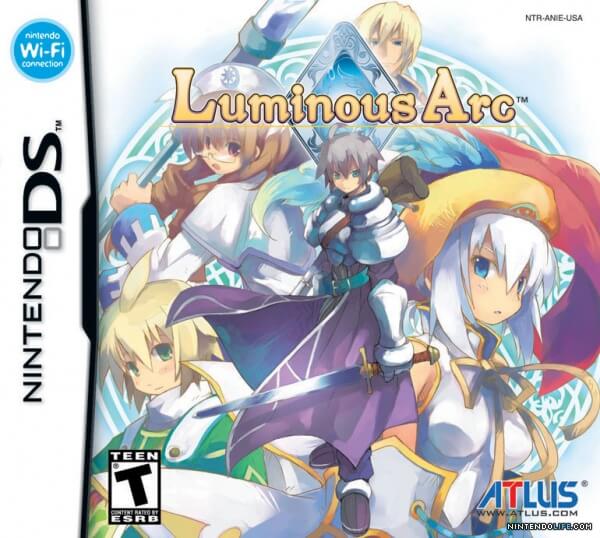
Luminous Arc
• 2007

Power Instinct 2
• 1994

Jack Bros
• 1995
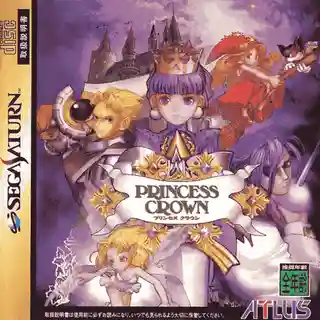
Princess Crown
• 1997

Power Instinct
• 1993

Shin Megami Tensei II
• 1994

Shin Megami Tensei if...
• 1994

Kyuuyaku Megami Tensei
• 1995

Town & Country Surf Designs: Thrilla's Surfari
• 1988
About Atlus
Atlus is an active game development company founded on April 7, 1986 and headquartered in .
Known for creating iconic titles such as Persona 5, Shin Megami Tensei, Persona 3 and more, Atlus has left an indelible mark on the video game industry.